Archives
- 2026-10
- 2026-09
- 2026-08
- 2026-07
- 2026-06
- 2026-05
- 2026-04
- 2026-03
- 2026-02
- 2026-01
- 2025-12
- 2025-11
- 2025-10
- 2025-09
- 2025-03
- 2025-02
- 2025-01
- 2024-12
- 2024-11
- 2024-10
- 2024-09
- 2024-08
- 2024-07
- 2024-06
- 2024-05
- 2024-04
- 2024-03
- 2024-02
- 2024-01
- 2023-12
- 2023-11
- 2023-10
- 2023-09
- 2023-08
- 2023-07
- 2023-06
- 2023-05
- 2023-04
- 2023-03
- 2023-02
- 2023-01
- 2022-12
- 2022-11
- 2022-10
- 2022-09
- 2022-08
- 2022-07
- 2022-06
- 2022-05
- 2022-04
- 2022-03
- 2022-02
- 2022-01
-
br Conflict of interest statement br References
2022-04-19
Conflict of interest statement References and recommended reading Papers of particular interest, published within the period of review, have been highlighted as: Acknowledgements We thank Urann Chan for assistance with the figures. This work was supported in part by National Institutes of
-
TRRAP participates in embryonic development as demonstrated
2022-04-19

TRRAP participates in embryonic development, as demonstrated by its binding with proteins regulating the Notch signaling pathway in fruit fly, the Ras signaling pathway in C. elegans, or the Wnt signaling pathway in 293T cells. Therefore we suspect that TRRAP variants, more especially those falling
-
While considering the molecular pathogenesis of an MPNST the
2022-04-19
While considering the molecular pathogenesis of an MPNST, the Ras/Raf/MEK/ERK, mTOR/AKT, p53, and PTEN pathways associated with tumor growth have been described (McCubrey et al., 2012). The involvement of receptor tyrosine kinases such as EGFR and TAM receptor families, and its associated molecular
-
Recently the toxicity of TBT was
2022-04-19
Recently, the toxicity of TBT was demonstrated at the vascular level in animal models (Nath, 2008), and the results obtained so far suggest that TBT may be a potential risk factor for cardiovascular diseases. TBT is capable to alter the coronary vascular reactivity to estradiol (dos Santos et al., 2
-
GSK has also been used
2022-04-19
GSK-189254 has also been used as PET radiotracer (in the form of [11C]-GSK-189254, also used as [11C]-AZ12807110 by Jucaite et al. (Jucaite et al., 2013)) to assess H3R occupancy (Ashworth et al., 2010), and is currently used in an image-based phase I clinical trial study for investigating GSK-23951
-
Hypoxia HIF and Inflammation Cellular responses to hypoxia a
2022-04-19
Hypoxia, HIF, and Inflammation Cellular responses to hypoxia are essential for life and are now recognized to be dysregulated in a wide range of disease processes. The key players in these pathways are a family of transcription factors, the hypoxia-inducible factors (HIFs; see Glossary), as well as
-
br HO regulation and physiology The catabolism of cellular h
2022-04-19
HO-1: regulation and physiology The catabolism of cellular heme in humans and other species is mediated by the heme oxygenase (HO) family of enzymes (E.C. 1:14:99:3; heme-hydrogen donor:oxygen oxidoreductase). The HOs localize primarily to the endoplasmic reticulum (ER) where they serve, in conce
-
Magnolol Based on the in vitro findings summarized here we
2022-04-19
Based on the in vitro findings summarized here, we posited that, in the intact brain, release of ROS from iron-laden astrocytes to the local neuropil elicits oxidative damage and degeneration of indigent dopaminergic projections and other vulnerable neuronal elements (Schipper, 2001). Of particular
-
A motivation for this study is the
2022-04-18
A motivation for this study is the ability of PGD2 to inhibit hair lengthening (). Here we demonstrate that PGD2 also inhibits hair regeneration after wounding. Thus, PGD2 and Gpr44 inhibition of the hair follicle occurs in multiple contexts and may be exploited in future therapies. Pharmaceutical c
-
GLP is known to be expressed in a subset of
2022-04-18
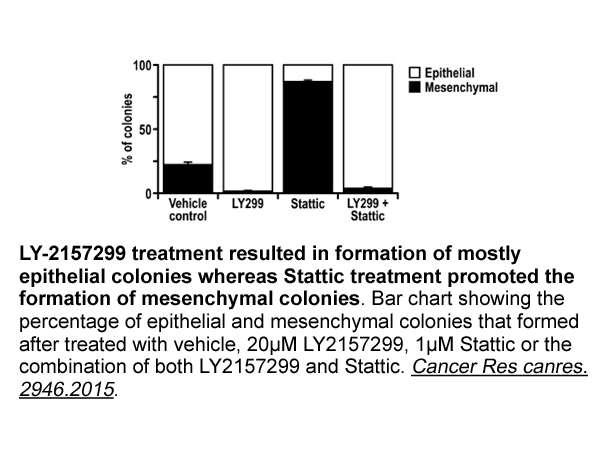
GLP-1 is known to be expressed in a subset of taste bud cells and has been shown to co-localize with GPR120 in the circumvallate papillae [22]. Local GLP-1 regulates taste preference for sucrose [54]. Analogous to intestinal mediation of GLP-1 by GPR120, Martin et al.[22] report induction of GLP-1 s
-
For a long time the mechanism for the
2022-04-18
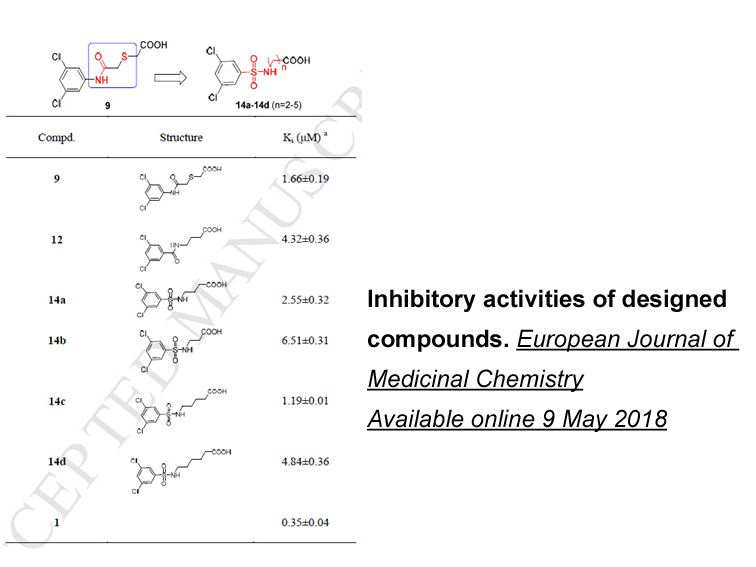
For a long time, the mechanism for the TG-lowering effect of nicotinic Arctigenin receptor has been thought that the lowered NEFA substrate from adipose tissue limits TG production from the liver (so-called NEFA hypothesis) [[1], [2], [3], [4]]. However, recent emerging evidences have suggested the
-
Also considered very rare is progressive encephalomyelitis w
2022-04-18
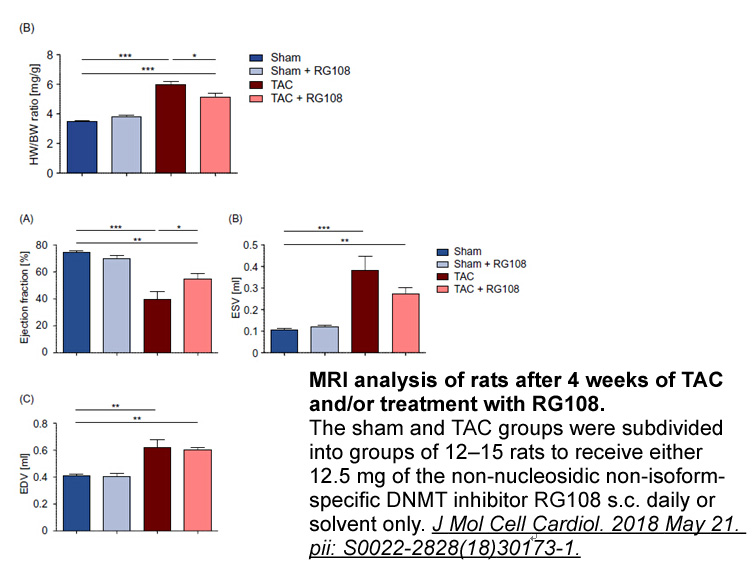
Also considered very rare is progressive encephalomyelitis with rigidity and myoclonus (PERM); sometimes called Stiff Person Syndrome Plus (SPS Plus) and with antibodies to glutamic Sodium Picosulfate receptor decarboxylase (GAD). However, PERM is now increasingly found with glycine receptor antibo
-
Throughout the last few decades evidence has accumulated
2022-04-18
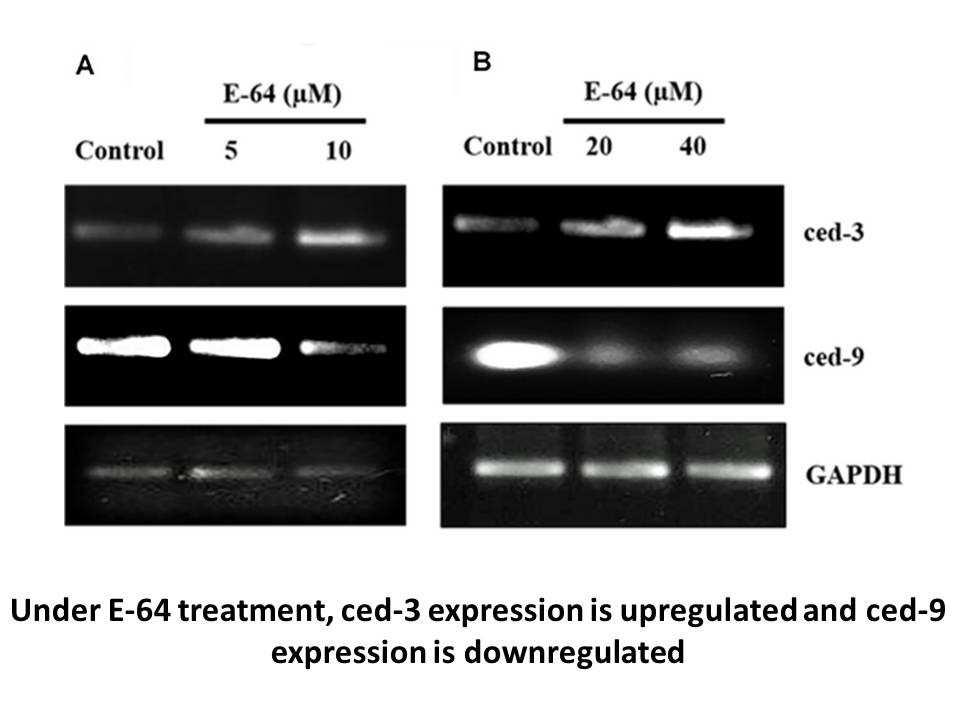
Throughout the last few decades, evidence has accumulated indicating that NTTs, whose primary location is the cell surface, are subject to a series of regulatory processes of intracellular traffic to and from the membrane (Robinson and Jackson, 2016; Vaughan and Foster, 2013). In addition, lateral m
-
The following are the supplementary data related to
2022-04-18
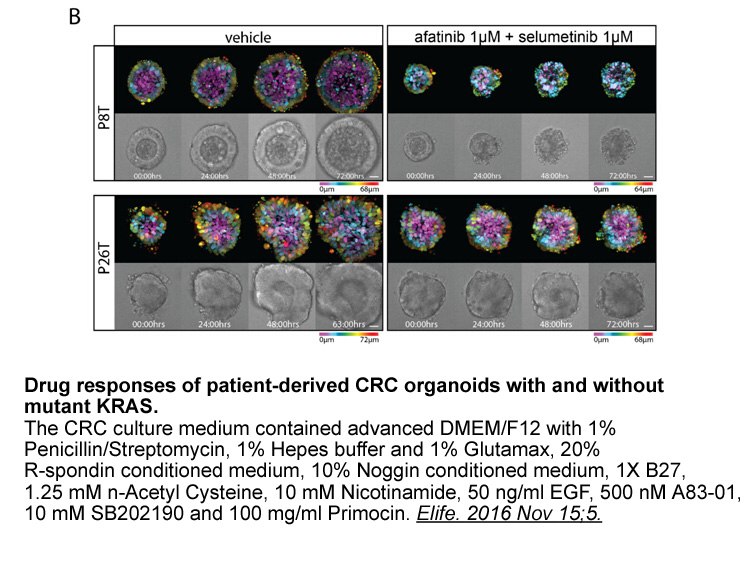
The following are the supplementary data related to this article. Conflict of interest Acknowledgements This work was supported by JSPS KAKENHI Grant Numbers 24770068 and 15K07152. Introduction Aminoacyl-tRNA synthetases (aaRSs) help maintain the genetic code by recognizing their cognate
-
Multiple mechanisms have been suggested by which
2022-04-18
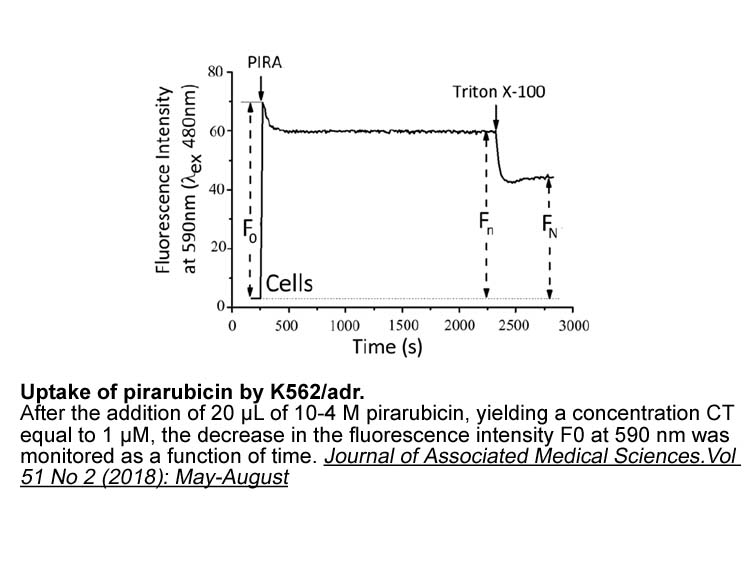
Multiple mechanisms have been suggested by which glucagon can increase energy expenditure although none have been conclusively proven to be responsible. Both enhanced gluconeogenesis and enhanced protein turnover secondary to hyperglucagonaemia have been suggested as the reason for the increased met
8372 records 496/559 page Previous Next First page 上5页 496497498499500 下5页 Last page